Home

/

Improving brief quality...

Improving brief quality with structured templates

Overview

Creative production teams were struggling with incomplete or inconsistent briefs, causing delays, rework, and misaligned creative output.

I redesigned the briefing experience by introducing reusable templates that guide users through the right questions upfront - improving speed, clarity, and downstream quality.

Responsibilities

UX & UI Design process, Customer team testing

Collaborators

Customer team leads, Customer global teams, Engineering, PM

Timeline

4 weeks

The problem

Our existing briefing flow had grown over time. Different users interpreted fields differently, deliverable details were often missing, and brand constraints weren’t consistently included. Part of the problem was we had a pretty extensive brief, to align with multiple brand and client requirements.

This created recurring problems:

  • Production needed clarification before work could begin
  • Creative outputs lacked alignment with brand goals
  • Customers repeated the same mistakes in every brief
  • AI-powered tools (like brand intelligence) couldn’t rely on consistent input

The result: bad briefs → slow starts → inconsistent creative quality.
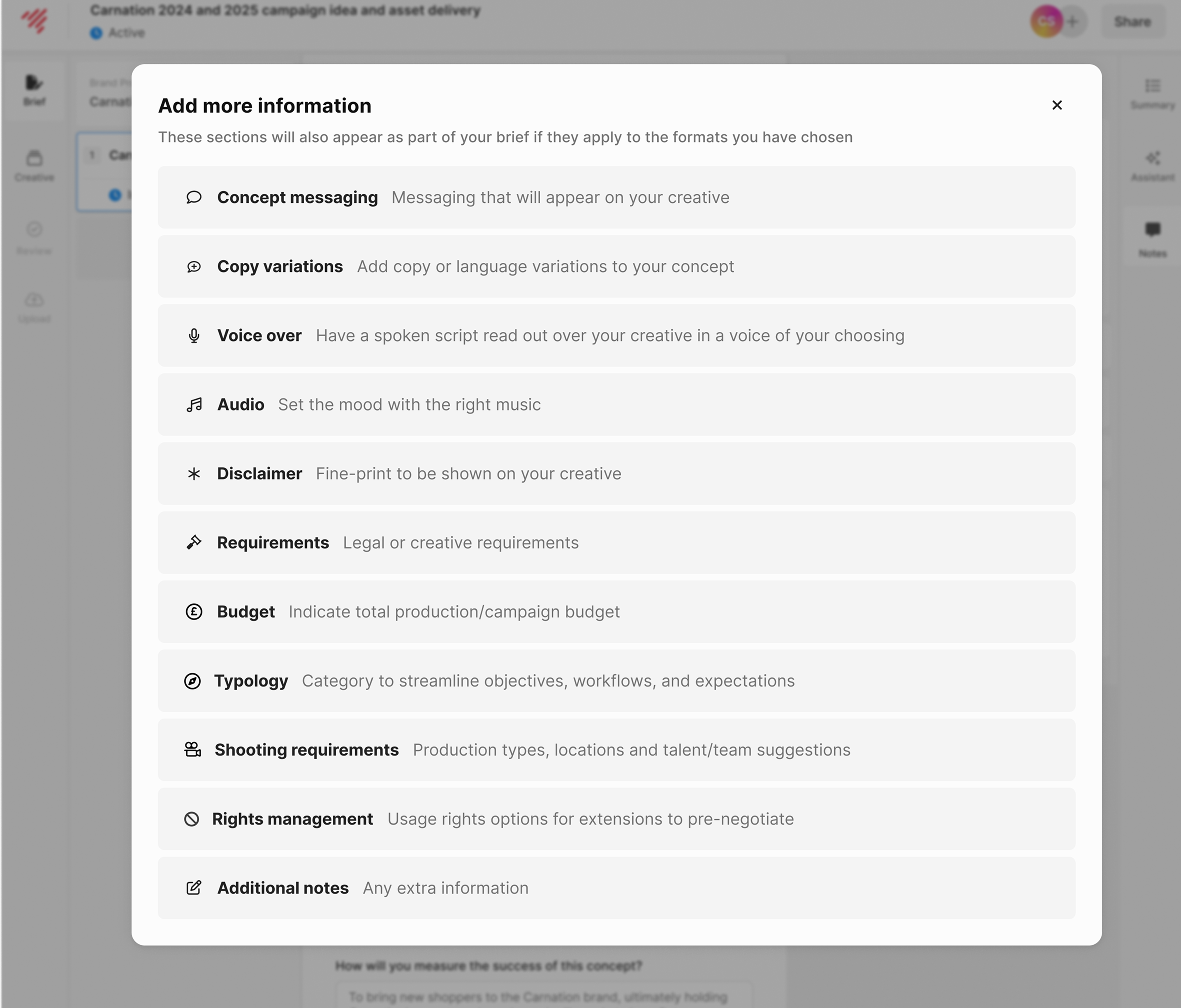
Additional questions grew over time, causing confusion and inconsistent detail

Opportunity

There was a clear chance to:

  • Bring more structure into the briefing experience, so we weren’t relying on users interpreting fields differently
  • Reduce ambiguity and back-and-forth by asking the right questions up front
  • Make briefing quicker and less confusing with pre-loaded deliverables and simple guidance
  • Create consistency across teams, so production, QA, and customers were aligned on what a “good brief” looked like
  • Improve platform-specific accuracy by baking in the correct specs and requirements for each creative type
  • Give production a more reliable starting point, reducing blockers and helping work begin sooner

Approach

We were hearing the same thing from customers, customer teams, production, and QA: briefs were inconsistent, questions weren’t being answered, and the wrong deliverables were often selected. It created delays before work could even begin.

A new enterprise customer had a more structured internal process, which sparked the idea for reusable brief templates with pre-selected questions tailored to each creative type. I put together a simple flow for creating, editing, and managing these templates, focusing on reducing ambiguity and making briefing faster and more predictable.

I walked through early versions with engineering, QA, and PM to make sure the scope was achievable and operationally sound, then refined it down to a lean MVP. We reviewed the concept with customer-facing teams, who were immediately excited about how much confusion and back-and-forth it would remove.

With alignment across teams, the feature moved into development.
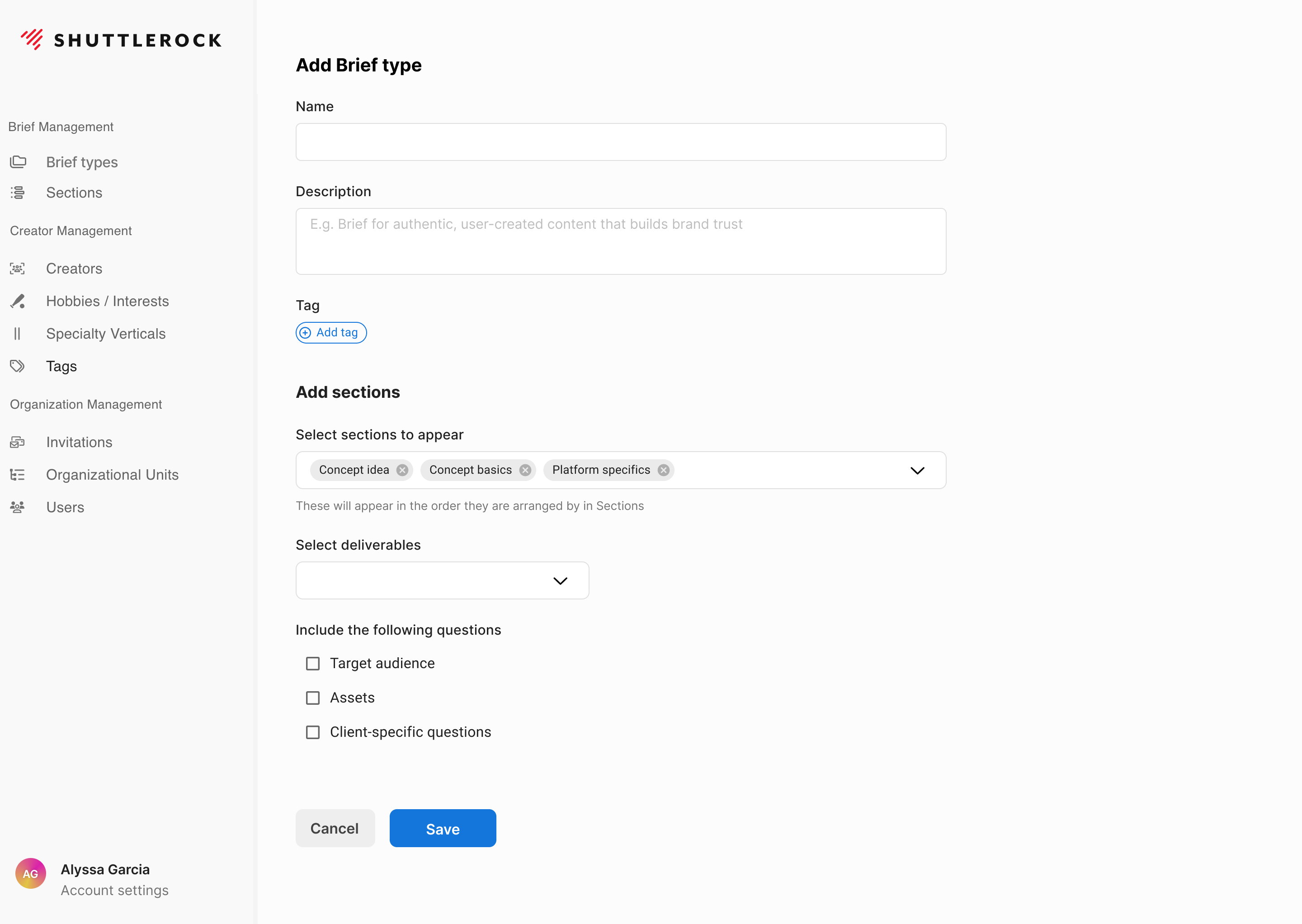
Creating and managing reusable brief types
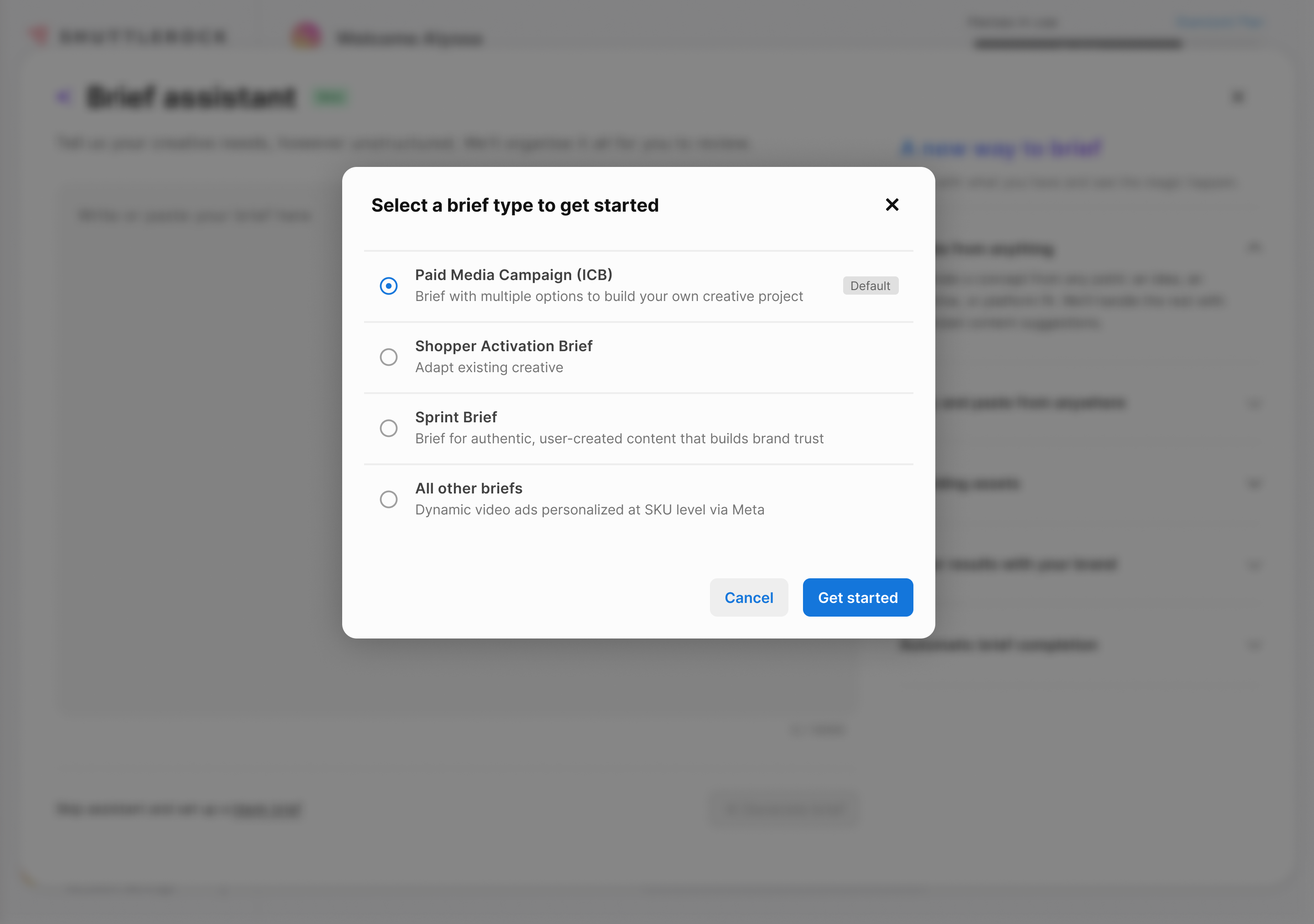
Selecting a brief type to start with a structured set of questions

Outcome

The feature is currently in development, but early feedback from internal teams has been really strong. Customer-facing teams were especially excited about how much clearer and more predictable the new templates will make the briefing process. They see this reducing confusion, cutting down on back-and-forth, and giving production a far more reliable starting point.

Even in early reviews, the structured approach was already helping teams spot the patterns that lead to “bad briefs” and misaligned deliverables. The excitement wasn’t just about saving time - it was about being able to start projects with more confidence and less ambiguity, for both our production teams and our clients.

More projects
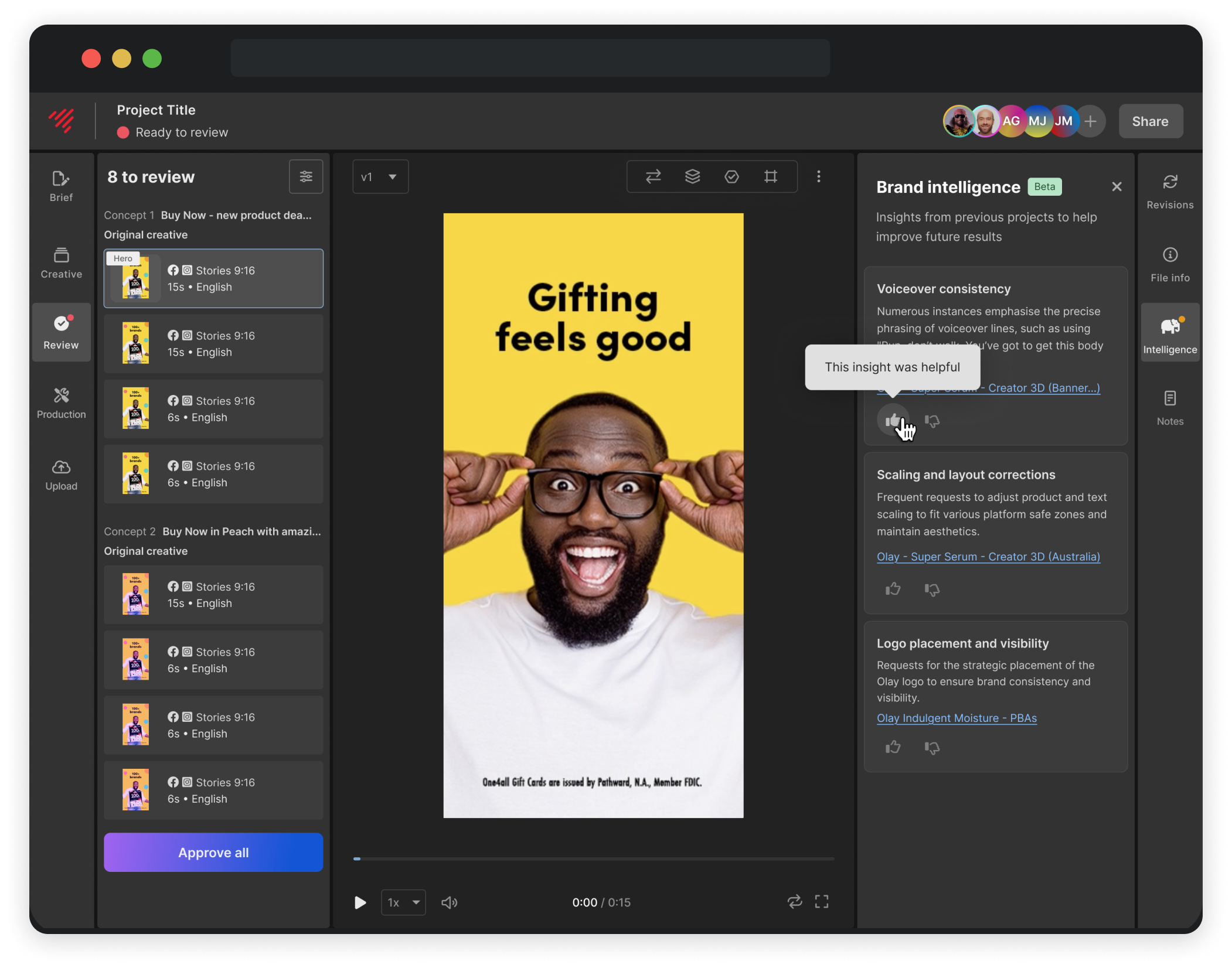
Brand intelligence: Surfacing hidden patterns to prevent repeat mistakes

A strategic design project that reframed the problem and proposed a smarter, AI-informed solution to reduce repeated brand mistakes in production.

View project →
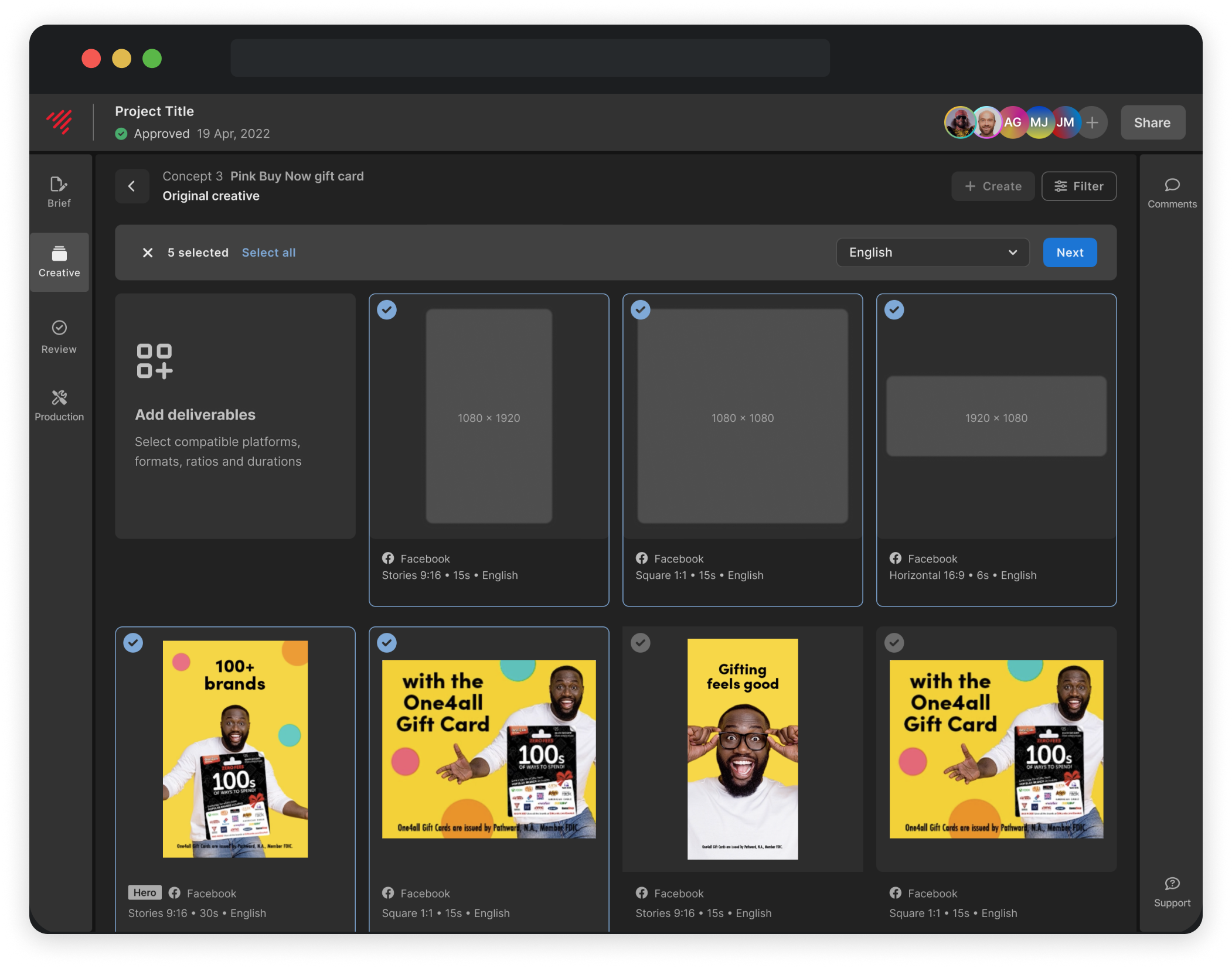
Variations: Designing a faster way to scale approved creative

A new flow that lets users scale from approved creative, without starting a new project. Now powering more than 40% of all creative through the platform.

View project →
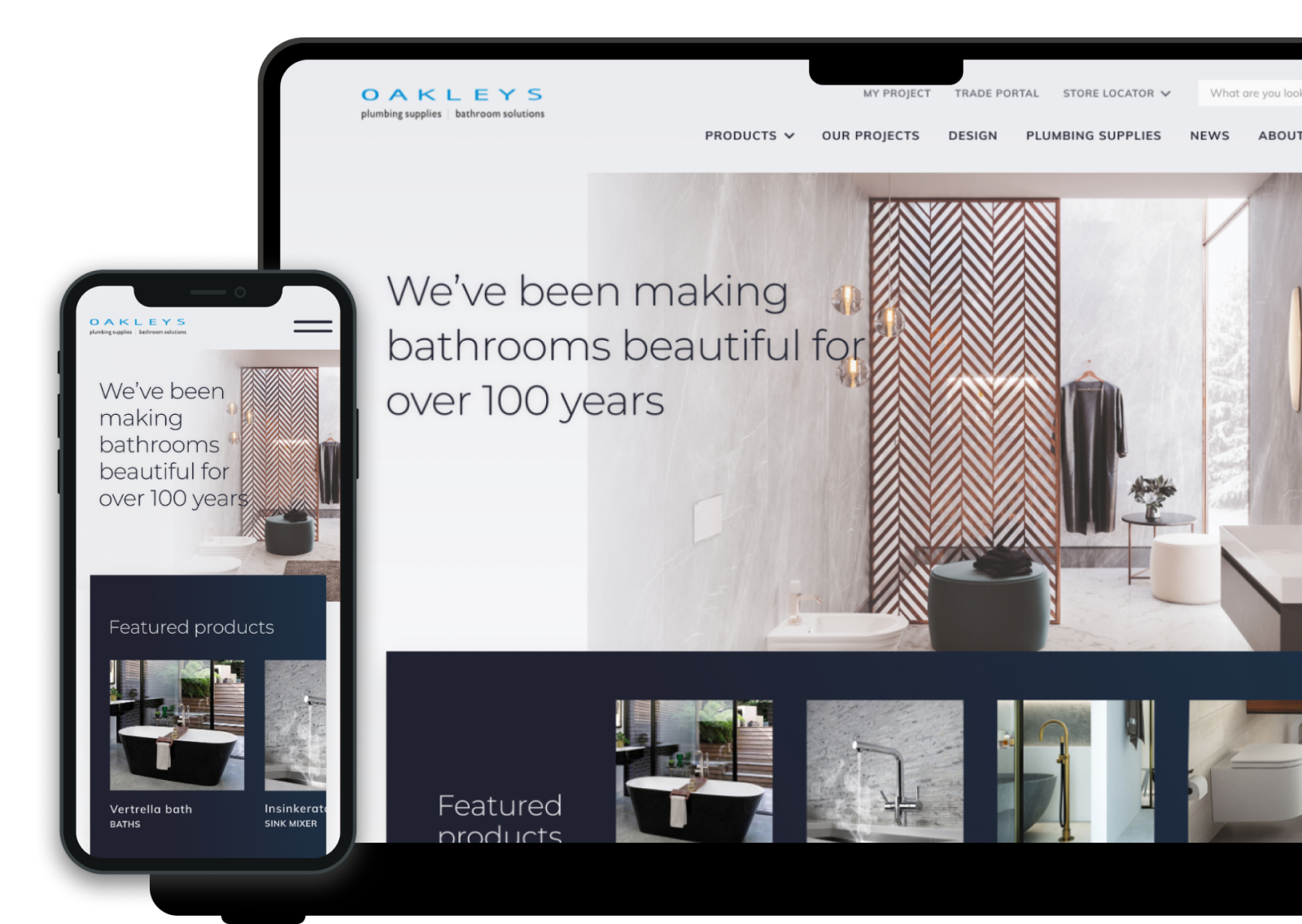
Showroom to Screen: Redesigning an e-commerce experience to match a premium brand

A modern e-Commerce redesign that brought their brand to life online, and made it easier for customers to explore and engage with their products.

View project →

Kat McGowan

Home

/

Improving brief quality with structured templates

Improving brief quality with structured templates

Overview

Creative production teams were struggling with incomplete or inconsistent briefs, causing delays, rework, and misaligned creative output.

I redesigned the briefing experience by introducing reusable templates that guide users through the right questions upfront - improving speed, clarity, and downstream quality.

Responsibilities

UX & UI Design process, Customer team testing

Collaborators

Customer team leads, Customer global teams, Engineering, PM

Timeline

4 weeks

The problem

Our existing briefing flow had grown over time. Different users interpreted fields differently, deliverable details were often missing, and brand constraints weren’t consistently included. Part of the problem was we had a pretty extensive brief, to align with multiple brand and client requirements.

This created recurring problems:

  • Production needed clarification before work could begin
  • Creative outputs lacked alignment with brand goals
  • Customers repeated the same mistakes in every brief
  • AI-powered tools (like brand intelligence) couldn’t rely on consistent input

The result: bad briefs → slow starts → inconsistent creative quality.

Additional questions grew over time, causing confusion and inconsistent detail

Opportunity

There was a clear chance to:

  • Bring more structure into the briefing experience, so we weren’t relying on users interpreting fields differently
  • Reduce ambiguity and back-and-forth by asking the right questions up front
  • Make briefing quicker and less confusing with pre-loaded deliverables and simple guidance
  • Create consistency across teams, so production, QA, and customers were aligned on what a “good brief” looked like
  • Improve platform-specific accuracy by baking in the correct specs and requirements for each creative type
  • Give production a more reliable starting point, reducing blockers and helping work begin sooner

Approach

We were hearing the same thing from customers, customer teams, production, and QA: briefs were inconsistent, questions weren’t being answered, and the wrong deliverables were often selected. It created delays before work could even begin.

A new enterprise customer had a more structured internal process, which sparked the idea for reusable brief templates with pre-selected questions tailored to each creative type. I put together a simple flow for creating, editing, and managing these templates, focusing on reducing ambiguity and making briefing faster and more predictable.

I walked through early versions with engineering, QA, and PM to make sure the scope was achievable and operationally sound, then refined it down to a lean MVP. We reviewed the concept with customer-facing teams, who were immediately excited about how much confusion and back-and-forth it would remove.

With alignment across teams, the feature moved into development.

Creating and managing reusable brief types

Selecting a brief type to start with a structured set of questions

Outcome

The feature is currently in development, but early feedback from internal teams has been really strong. Customer-facing teams were especially excited about how much clearer and more predictable the new templates will make the briefing process. They see this reducing confusion, cutting down on back-and-forth, and giving production a far more reliable starting point.

Even in early reviews, the structured approach was already helping teams spot the patterns that lead to “bad briefs” and misaligned deliverables. The excitement wasn’t just about saving time - it was about being able to start projects with more confidence and less ambiguity, for both our production teams and our clients.

More projects

Brand intelligence: Surfacing hidden patterns to prevent repeat mistakes

A strategic design project that reframed the problem and proposed a smarter, AI-informed solution to reduce repeated brand mistakes in production.

View project →

Variations: Designing a faster way to scale approved creative

A new flow that lets users scale from approved creative, without starting a new project. Now powering more than 40% of all creative through the platform.

View project →

Showroom to Screen: Redesigning an e-commerce experience to match a premium brand

A modern e-Commerce redesign that brought their brand to life online, and made it easier for customers to explore and engage with their products.

View project →

Kat McGowan

Home

/

Improving brief quality with structured templates

Improving brief quality with structured templates

Overview

Creative production teams were struggling with incomplete or inconsistent briefs, causing delays, rework, and misaligned creative output.

I redesigned the briefing experience by introducing reusable templates that guide users through the right questions upfront - improving speed, clarity, and downstream quality.

The problem

Our existing briefing flow had grown over time. Different users interpreted fields differently, deliverable details were often missing, and brand constraints weren’t consistently included. Part of the problem was we had a pretty extensive brief, to align with multiple brand and client requirements.

This created recurring problems:

  • Production needed clarification before work could begin
  • Creative outputs lacked alignment with brand goals
  • Customers repeated the same mistakes in every brief
  • AI-powered tools (like brand intelligence) couldn’t rely on consistent input

The result: bad briefs → slow starts → inconsistent creative quality.

Additional questions grew over time, causing confusion and inconsistent detail

Opportunity

There was a clear chance to:

  • Bring more structure into the briefing experience, so we weren’t relying on users interpreting fields differently
  • Reduce ambiguity and back-and-forth by asking the right questions up front
  • Make briefing quicker and less confusing with pre-loaded deliverables and simple guidance
  • Create consistency across teams, so production, QA, and customers were aligned on what a “good brief” looked like
  • Improve platform-specific accuracy by baking in the correct specs and requirements for each creative type
  • Give production a more reliable starting point, reducing blockers and helping work begin sooner

Approach

We were hearing the same thing from customers, customer teams, production, and QA: briefs were inconsistent, questions weren’t being answered, and the wrong deliverables were often selected. It created delays before work could even begin.

A new enterprise customer had a more structured internal process, which sparked the idea for reusable brief templates with pre-selected questions tailored to each creative type. I put together a simple flow for creating, editing, and managing these templates, focusing on reducing ambiguity and making briefing faster and more predictable.

I walked through early versions with engineering, QA, and PM to make sure the scope was achievable and operationally sound, then refined it down to a lean MVP. We reviewed the concept with customer-facing teams, who were immediately excited about how much confusion and back-and-forth it would remove.

With alignment across teams, the feature moved into development.

Creating and managing reusable brief types

Selecting a brief type to start with a structured set of questions

Outcome

The feature is currently in development, but early feedback from internal teams has been really strong. Customer-facing teams were especially excited about how much clearer and more predictable the new templates will make the briefing process. They see this reducing confusion, cutting down on back-and-forth, and giving production a far more reliable starting point.

Even in early reviews, the structured approach was already helping teams spot the patterns that lead to “bad briefs” and misaligned deliverables. The excitement wasn’t just about saving time - it was about being able to start projects with more confidence and less ambiguity, for both our production teams and our clients.

More projects

Brand intelligence: Surfacing hidden patterns to prevent repeat mistakes

A strategic design project that reframed the problem and proposed a smarter, AI-informed solution to reduce repeated brand mistakes in production.

View project →

Variations: Designing a faster way to scale approved creative

A new flow that lets users scale from approved creative, without starting a new project. Now powering more than 40% of all creative through the platform.

View project →

Showroom to Screen: Redesigning an e-commerce experience to match a premium brand

A modern e-Commerce redesign that brought their brand to life online, and made it easier for customers to explore and engage with their products.

View project →